
Carpentry Training in Charlotte — Framing, Blueprints, and Finish Work
Carpentry training covering framing fundamentals, blueprint reading, finish work, and Charlotte residential demand.
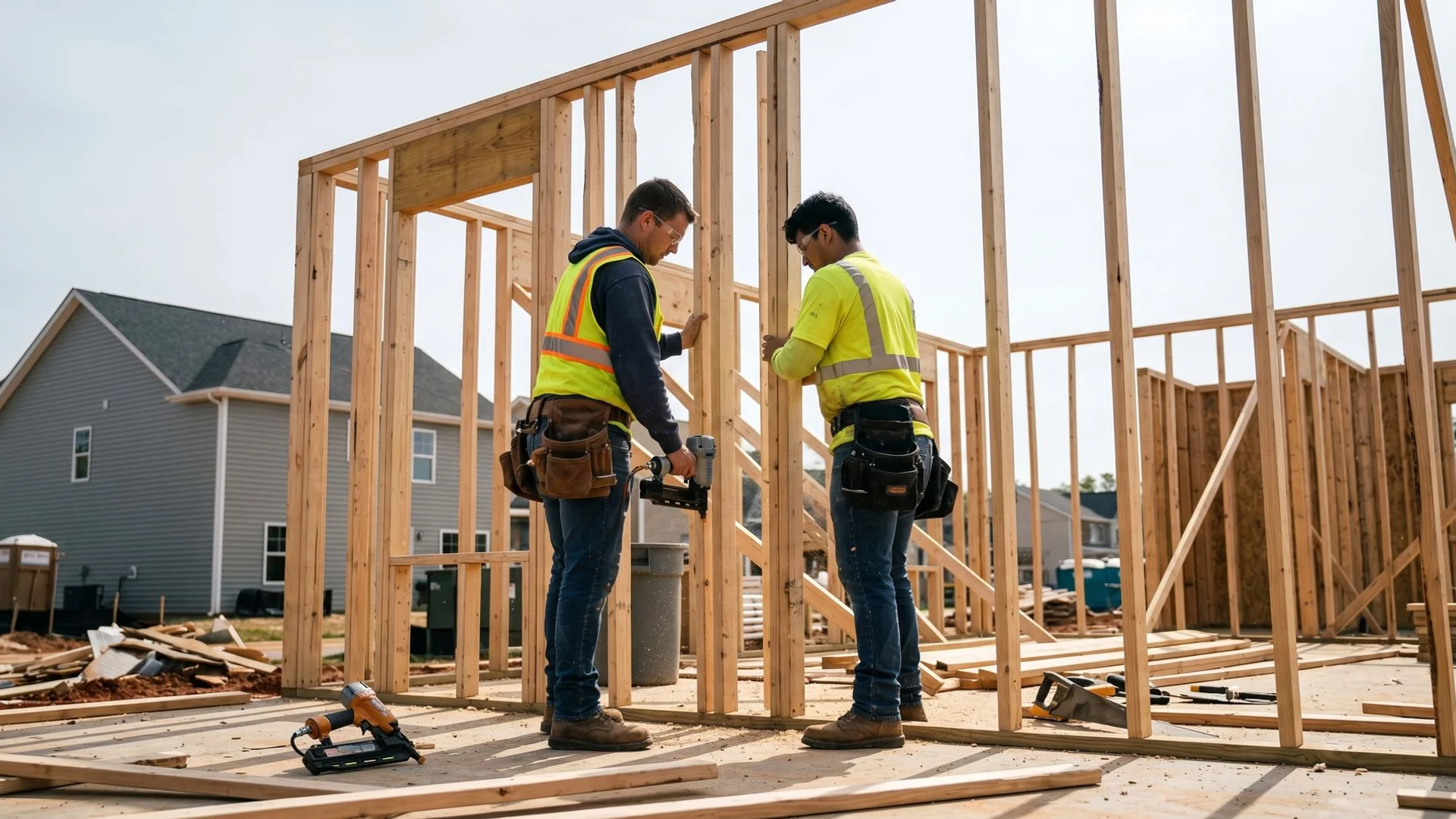
Charlotte's residential and multifamily build pipeline drives constant demand for carpenters. Give N Go's carpentry track teaches framing fundamentals, blueprint reading, finish carpentry, and the safe operation of table saws and framing nailers under OSHA 10 standards.
Carpentry Training Curriculum
We operate as a professional service team, so we know exactly how hard it is to find reliable tradespeople in Charlotte right now. Finding the right crew for your home or business project can feel like a full-time job, which is why proper carpentry training matters.
Our Give N Go program is built to solve that exact problem.
A January 2026 report from Yardi Matrix shows that Charlotte has nearly 27,000 new multifamily units under construction. We train dedicated workers to meet this massive demand right here in the city.
So, grab a cup of coffee, and let’s walk through how we prepare these skilled builders.
What You Learn
We design our classes to turn eager beginners into safe, capable pros who treat your property with respect. Wood-framed construction makes up about 90% of all new residential builds, making these foundational skills incredibly valuable.
Our program focuses heavily on getting the details right the first time, especially since 60% of construction accidents happen during a worker’s first year on the job. Recent 2025 industry data shows that comprehensive OSHA 10 instruction reduces workplace injuries by up to 50%.
We tackle that risk head-on by making rigorous safety protocols a core part of the daily routine. This hands-on approach covers all the essential techniques a Charlotte contractor needs:
- Framing fundamentals. Wall layout, plates, studs, headers, rough openings.
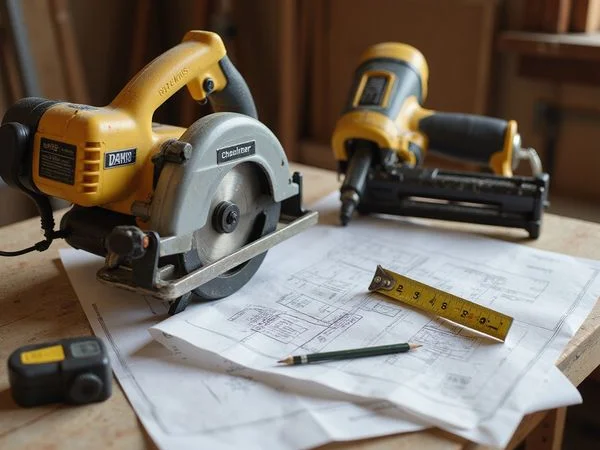
- Blueprint reading. Plan views, elevations, sections, basic dimensioning, schedules.
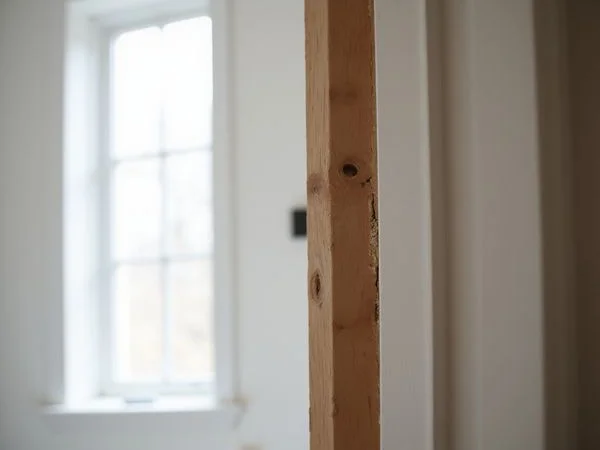
- Finish carpentry. Door hanging, baseboard and casing, coping, trim install.
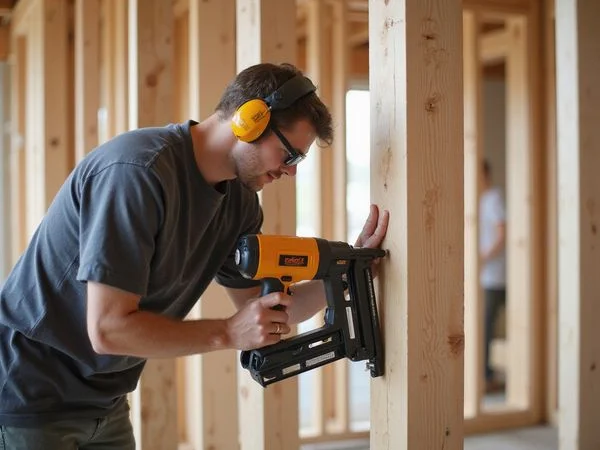
- Tool safety. Table saw, framing nailer, circular saw, OSHA 10 basics.
We lay out the entire schedule step-by-step so you know exactly what is being taught. For the full cohort flow, see the carpentry training curriculum guide.
Hands-On Carpentry Training: Rough vs. Finish Skills
Our facility separates the heavy lifting from the fine details. Many homeowners do not realize that structural framing and aesthetic trim require completely different mindsets and tools.
We break down these differences early on so trainees develop a versatile skill set. Here is a quick look at how these two phases compare on a typical job site:
| Skill Area | Primary Focus | Typical Tools Used | Why It Matters For Your Project |
|---|---|---|---|
| Rough Carpentry (Framing) | Structural integrity and building shape | Framing nailers, circular saws, levels | Ensures your walls are straight and the building is structurally sound. |
| Finish Carpentry (Trim) | Aesthetics and final visual appeal | Brad nailers, miter saws, coping saws | Gives your space a polished, professional look with zero visible gaps. |
Career Path
We prepare our students to step directly into reliable, high-demand roles. The local market is incredibly strong, with the Home Builders Association of Greater Charlotte representing over 1,500 member firms actively looking for talent.
Our graduates move into residential or multifamily framing crews, finish carpentry teams, or general construction roles with these partner employers. Projects across the city need skilled hands right now, especially with Northmarq reporting roughly 13,000 new multifamily units slated for completion in 2026.
Earning Potential in Charlotte
We want you to see the real value this trade brings to the local economy. According to recent 2026 data from ZipRecruiter, the average annual salary for a carpenter in Charlotte sits around $51,416.
Formal carpentry training gives new workers a massive head start in earning potential and job security.
Our top-performing alumni often work their way up to senior roles quite rapidly. Experienced carpenters in the top percentile can earn upwards of $67,000 a year, proving this is a sustainable, lucrative career.
We encourage anyone interested to check out the exact figures. See the carpenter careers and pay guide for Charlotte ranges.
Apply or Refer
We know that the cost of education stops many talented people from entering the trades. Traditional construction programs can cost thousands of dollars out of pocket.
Our mission is to remove those barriers completely. The carpentry training program is fully tuition-free for accepted participants, meaning students can start building a career without taking on debt.
We are always looking for driven individuals to join the next cohort. Apply or refer a student to get the process started today.

Carpentry Skills & Career Outcomes
- • Framing fundamentals and stick-built basics
- • Blueprint reading
- • Finish carpentry techniques
- • Table saw, framing nailer, and hand-tool safety
- • OSHA 10 integration
How a Cohort Runs
Tools & Safety
Hand tools, table saw, framing nailer, OSHA 10 basics.
Framing
Wall layout, top and bottom plate, header sizing, headers and openings.
Blueprint Reading
Plan views, elevations, sections, basic dimensioning.
Finish Carpentry
Door hanging, baseboard and casing, coping, trim install.
Connecting People and Opportunities
Building partnerships that create real impact in Charlotte-Mecklenburg.

Ready to Get Connected?
We help connect individuals with the right opportunities through our partner network.
Carpentry: Common Questions
Find answers about connecting with opportunities and partners.
Is this rough or finish carpentry?
Where do graduates work?
Explore More Pathways
PACT Pre-Apprenticeship
USDOL-recognized pre-apprenticeship credential combining classroom learning with 75% work-based training and direct employer connections.
NEC code awareElectrical Training
Entry-level electrician training: NEC code, residential rough-in, OSHA 10, and apprenticeship pathway.
PEX, rough-in, codePlumbing Training
Plumbing trainee program covering PEX, rough-in, fixture install, and apprenticeship pathway.
Ready to get connected?
Whether you're looking for opportunities, seeking to partner, or wanting to support our mission — we'd love to hear from you.